


Most people who reach this page are not ignoring their knee. They have already tried what they were told to try: glucosamine, pain relievers, physio, cortisone shots, or gel injections. Some of it helped for a while. But now the relief window feels shorter, the same stiffness keeps returning, and the word surgery suddenly feels closer than it should.
The frustrating part is not only the pain. It is the feeling that every option is buying time, while your knee quietly decides what you can and cannot do. One month you are walking a little better. The next month, you are planning your day around stairs, parking distance, and whether you will need a handrail.
But in my experience, the most important question is often missed:
Most people do not want a miracle. They want to stand up without bracing, walk through the store without calculating every step, and feel less afraid that the next appointment will end with either another temporary shot or a surgery date they are not ready for.
- They tried glucosamine, turmeric, MSM, collagen, or pain relievers.
- They tried cortisone shots or gel injections and hoped the relief would last.
- They tried physio, braces, creams, rest, ice, and routine changes.
Some of those options may have helped for a while. But when the same stiffness, discomfort, or weakness returns, it can make people feel trapped between another injection and the next surgery consult.

You May Be Here Because Relief Is Shrinking — Or Surgery Feels Too Close

The first injection helped for months. The next one helped less. Now the relief window is shrinking, and nobody has clearly explained why.
The X-ray looked serious, and suddenly the conversation shifted from “manage the pain” to “you may need surgery.”
Stairs, walking, standing up, travel, gardening, and family moments are becoming harder than they should be.
These may feel like three different problems. But they often point to the same deeper issue: the knee is not just a pain point.
It is a full joint system — cartilage, joint fluid, tendons, ligaments, and bone foundation working together.
Before Your Next Knee Shot Or Surgery Decision
See why full joint system support is becoming the next step many people review when shots are no longer lasting — and before surgery becomes the only conversation.
Check MoveOn Before Your Next Knee Decision → 30-day product protection · Today’s package options availableWhat Most Knee Options Do — And What They Do Not Do
Many common knee options focus on one part of the problem. That does not make them useless. It simply means they may have a ceiling.
Painkillers may quiet the signal
They may reduce discomfort temporarily, but they are not the same as daily support for cartilage, movement, and structure.
Cortisone may calm inflammation
For some people, shots can help for a period of time. But temporary relief is not the same as supporting the full joint system.
Glucosamine supports one part
Cartilage support matters, but your knee also depends on fluid, tendons, ligaments, and bone foundation.
Surgery may be right for some people
But it is still a major decision. Many people want to understand every reasonable support option before moving forward.
3 Triggers Behind The “Bone-On-Bone” Conversation
When relief keeps fading and surgery starts being discussed, the deeper question is what else the knee depends on besides short-term comfort. Three parts matter most.
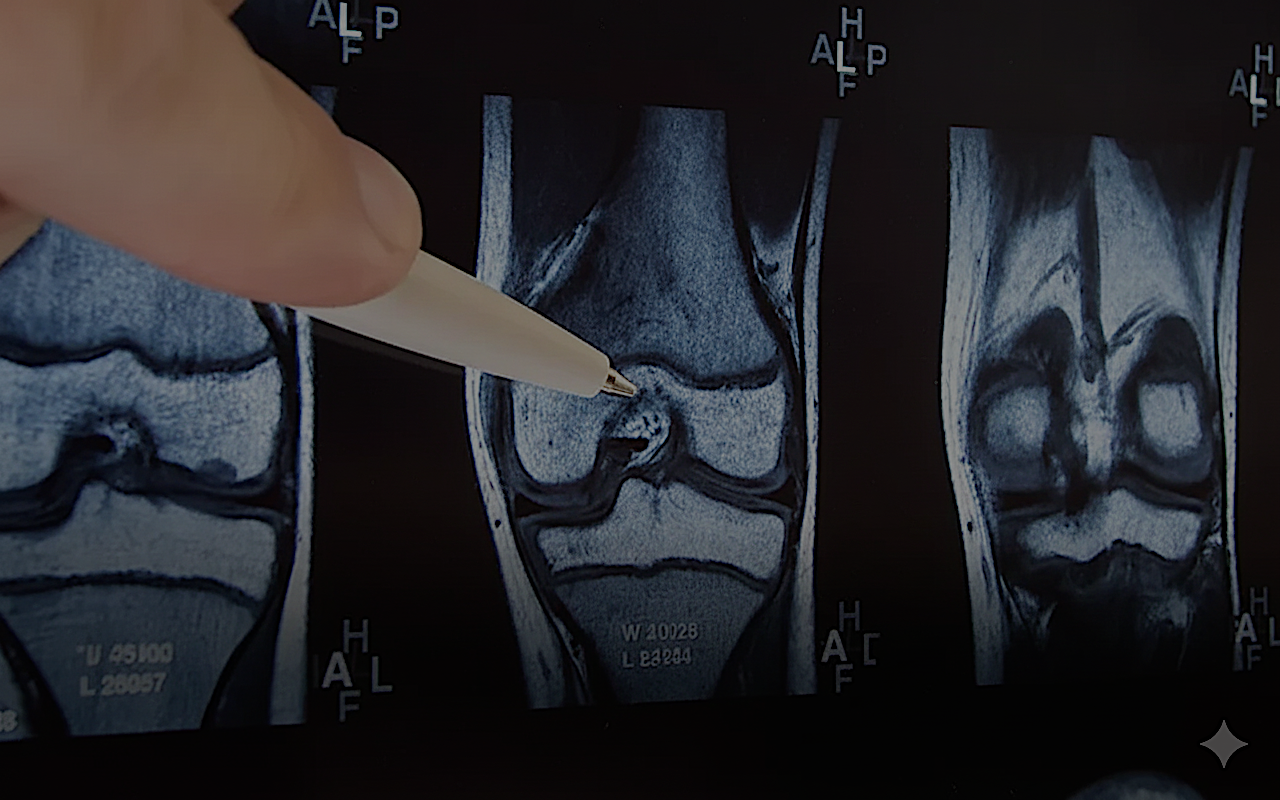
1. The cartilage cushion can become less protective
Cartilage helps movement feel smoother. When it becomes worn or less resilient, people may notice stiffness, grinding, catching, or discomfort when walking and using stairs.
2. The joint fluid may no longer cushion movement as well
Joint fluid helps reduce friction. That is why gel shots may feel helpful to some people. But cushioning support alone is not the entire knee story.
3. The support structure around the knee can feel less reliable
Tendons, ligaments, and bone foundation help the knee feel stable. When that support system is under pressure, people often begin looking for handrails, shortening walks, or hesitating on stairs.
Your Knee Is Not Finished. Here Is Why.

Here is what many knee consultations do not have time to explain. The knee is not dead tissue. It is living joint tissue with cells that are involved in maintaining cartilage, joint fluid, and the environment around the joint.
Inside the joint are cartilage-supporting cells called chondrocytes. Their job is to help maintain the cartilage
There are also fluid-supporting cells called synoviocytes. These cells help maintain the synovial environment
But with age, long-term inflammation, repeated stress, and years of pain-management-only approaches, the environment around these cells can become less supportive. The body may still have a natural maintenance system, but it may not be getting the right support to work as well as it once did.
The question an X-ray cannot fully answer is this: has the full joint environment ever been properly supported?
If the knee has only been managed for pain, inflammation, or temporary cushioning, there may still be a missing layer: full joint system support.

Most People Are Never Clearly Shown
The problem may not be that glucosamine was “wrong,” or that cortisone never helps. The bigger issue is that the knee is often treated like a simple pain problem when it is really a multi-part support problem.
The Gap Most Knee Plans Leave Behind
Many people do not want to rush into surgery, but they also do not want to keep repeating the same short-term relief cycle.
That is the gap MoveOn was designed to fill: a daily support routine for people who have already tried ordinary pills, shots, and temporary relief.
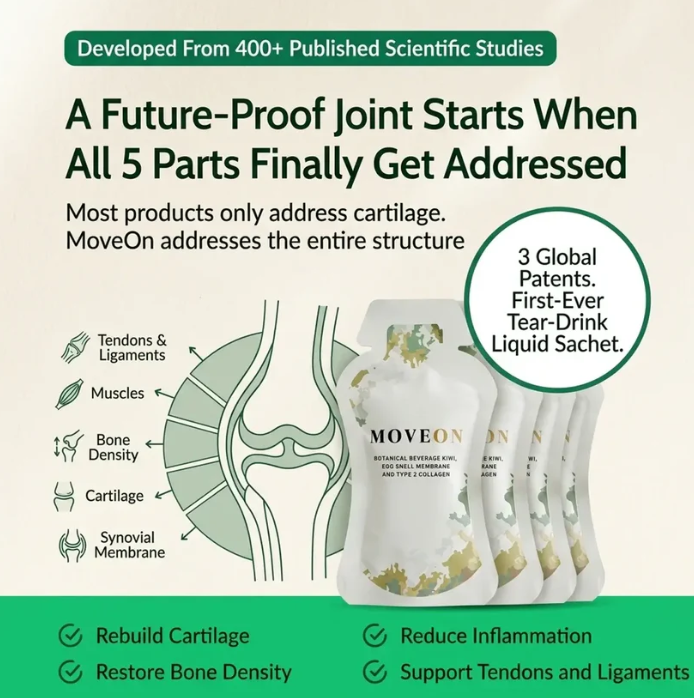
MoveOn Is Built Around The Full Joint Environment
MoveOn is a ready-to-drink joint support routine I found that is built around a fuller idea: supporting the joint environment from multiple sides, not only chasing temporary relief.
It is designed to support cartilage comfort, joint mobility, and the bone foundation underneath — the same layers people often overlook until surgery is being discussed.
Recommended starting point: Most people serious about this review the 3-box protocol first because it gives the joint support routine enough time to be followed consistently before judging the result.
See The Full Joint Support Option →The 3-Part Difference
 Problem: Cartilage support
Ovomet® — Cartilage Matrix Support
When cartilage feels worn down, the matrix needs nutritional support. Ovomet® is a patented eggshell membrane ingredient selected to support joint comfort, flexibility, and cartilage matrix health.
 Problem: Joint comfort & mobility
UC-II® — Mobility Support
When movement feels stiff or unreliable, comfort and normal joint function matter. UC-II® is a studied type II collagen ingredient used to support joint comfort and mobility.
 Problem: Bone foundation
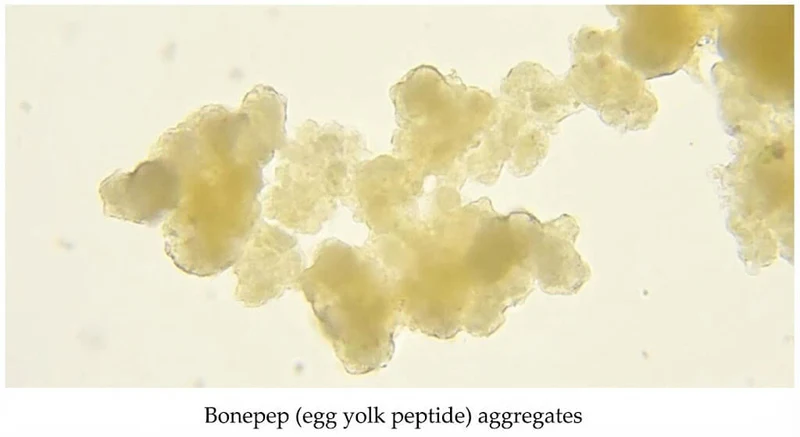
BonePep™ — Foundation Support
The knee is not only cartilage. The bone foundation underneath also matters. BonePep™ is a peptide ingredient selected to support bone health and structural foundation.
 Problem: Too many pills
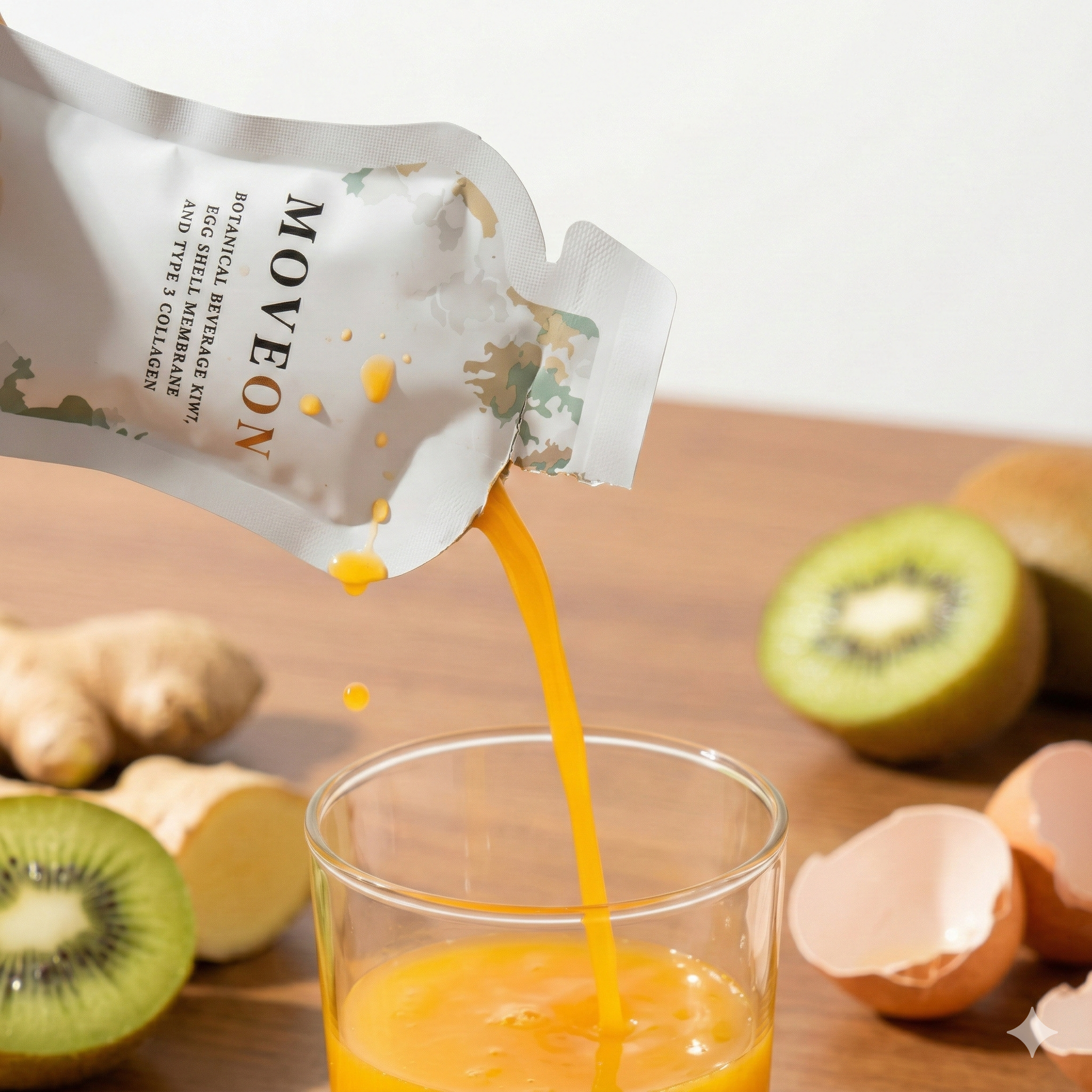
Liquid Sachet Routine
Many people are tired of large capsules and complicated routines. MoveOn uses a ready-to-drink format designed to be simple enough to follow daily.
Before Another Shot — Or Before Surgery Becomes The Only Option You Hear
Another injection may be right for some people. Surgery may also be right for the right person at the right time. But when the relief window is shrinking and the surgery conversation is getting louder, many people want to understand what else can support the full joint system.
That is why a daily routine that supports cartilage comfort, joint mobility, joint fluid environment, and bone foundation may be worth reviewing before your next major knee decision.
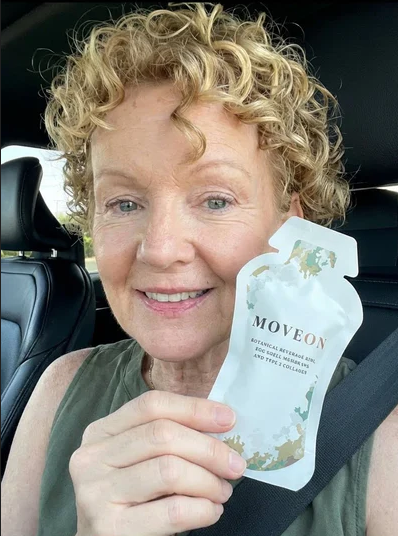
“I had already tried pain relievers, injections, and the usual advice. Some things helped for a while, but nothing felt complete.
After starting the liquid routine, my knee felt less intimidating on the stairs. For the first time in months, I felt like I had more control over what to do next.”
Try The Full Joint Support Approach Before Your Next Shot Or Surgery Decision
If knee shots are fading, surgery has been mentioned, or knee pain is stealing your active life, MoveOn may be worth reviewing before your next major knee decision.
Most readers review the 3-box protocol first because it gives the routine a longer, fairer window before deciding if this approach is right for them.
See This Before Another Shot Or Surgery Talk → 30-day product protection · Check today’s package optionsWhat Other Readers Are Saying
“At my follow-up, my doctor said we could hold off on the next step for now. That was the first time I felt hopeful in months.”
Verified reader · Surgery decision“Gardening felt like something I was slowly losing. After starting the routine, I felt more comfortable moving around the garden again.”
Verified reader · Mobility support“I had been relying on shots every few months. This gave me a daily routine that finally felt more complete.”
Verified reader · Injection cycleBefore You Book Another Shot Or Agree To Surgery, Give Your Knee One Serious Support Window
Before you book another shot or move closer to surgery, ask yourself one question:
If your shots are wearing off faster, bone-on-bone has been mentioned, or your knee is starting to control your daily life, this may be the right time to try a more complete support routine.
Try MoveOn before your next knee decision.
Review today’s package options and start with 30-day money-back protection.
Try MoveOn Before Your Next Knee Decision → 30-day money-back guarantee · Today’s package options available